How to Start Montessori at Home for Under $200
Ditch the idea that you need a dedicated classroom with pastel everything. You don't. If you want to start Montessori at home, look at your living room first. Montessori started in apartment buildings and low-income housing, not Pinterest boards. Your coffee table? That's now a work surface. A few baskets from Target? Perfect. The goal isn't to replicate a $30,000 primary classroom in your basement. The goal is to respect your kid's urge to do things themselves. Start there.
The One Piece of Furniture That Actually Matters
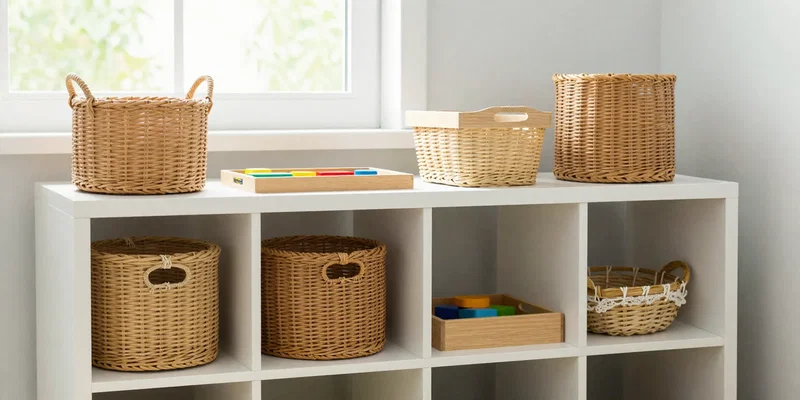
Everyone obsesses over the pink tower. But here's the thing: if everything is stuffed into a toy box, your child can't see it, can't choose it, and frankly, doesn't care. For a solid Montessori budget, you need one thing—a low shelf. Hit Facebook Marketplace or grab an IKEA Kallax secondhand. Under $50, easy. Arrange six to eight activities in baskets or trays. That's it. When everything has a spot and your kid can reach it, magic happens. Or at least fewer tantrums. Same thing, really.
Spend Money Only on the Boring Stuff
Fancy wooden maps look gorgeous. They also cost $120. Skip them. This is your $200 Montessori spending plan, not a wish list. You want practical life tools: a small broom, a pitcher for pouring, a step stool, some cheap glassware from Goodwill so they learn to handle real objects. Add a few sensorial DIYs. Rice tray. Color tablets made from paint chips. Sound jars with lentils and paper clips. Buy one quality open-ended toy if you must. But honestly? Your kitchen is already full of learning materials. Let them peel bananas. It's free.
Structure Beats Stuff Every Time
You can own every official material and still have a chaotic mess. Actually, especially then. Kids don't need more things. They need predictable rhythms. Most beginner Montessori advice focuses on the stuff. Ignore it. Wake up. Make bed. Prepare snack. Outside time. Simple. Repeat. The method isn't a shopping list. It's a way of seeing your child as capable. Give them time. Give them space. Let them struggle for thirty seconds before you swoop in. That's the real curriculum. And it costs zero dollars.
You're Not Messing This Up
Your kid dumped the rice bin for the third time. You're exhausted. The shelf is a disaster. And some influencer just posted her perfect prepared environment with handmade felted wool balls. So what? Montessori at home is messy. It's lived-in. It's not a museum. The whole point is following the child, not the algorithm. Some days you'll be patient and present. Other days you'll hand them a screen so you can drink your coffee hot. Both are fine. Keep going.