Cheap Montessori Printables and Learning Tools That Are Actually Worth Using
Most free Montessori printables are garbage. Harsh? Sure. True? Absolutely. You download a pack of 400 pages, print three, and realize the rest are blurry clip-art dinosaurs labeled as "educational content." Hard pass. But here's the thing. Some creators actually get it. Look for packs with real photographs, not cartoons. A 3-part card set with a fuzzy drawing of a giraffe teaches nothing. A crisp photo of a reticulated giraffe? That sticks. Hunt for bundles that go on sale. Buy the $2 packs with the good photos. Your printer ink is already expensive enough.
Your Kitchen Already Has the Best Learning Tools
You do not need a $45 "practical life pouring set" from a boutique shop. You need a thrifted creamer and some patience. Hit the dollar store. Grab an ice cube tray, some kid-sized tongs, and a bag of dried lentils. Bam. You just built a fine motor station. Measuring cups? Those are math. A turkey baster and two bowls? That's a transfer activity. Kids don't care if the spoon matches the aesthetic. They care that water actually pours out of it. Use real stuff. It breaks less, and it actually prepares them for life.
Sensorial Bins Don't Need to Cost Forty Bucks
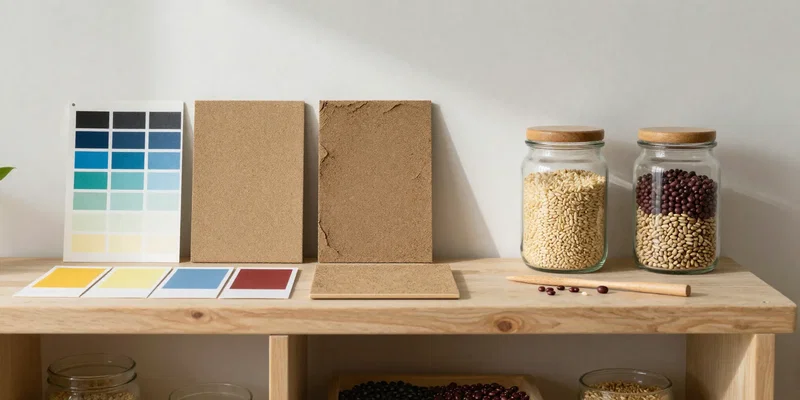
Color tablets are beautiful. They're also stupid expensive for what they are. Walk into any hardware store and grab paint chips. Free. Cut them into strips. Gradation work done. Rough and smooth boards? Glue sandpaper onto wood scraps. Sound cylinders? Film canisters filled with rice, beans, and nothing. The sensorial area is about refining the senses, not flexing on Instagram. If a two-year-old can sort by texture using a scrap of carpet and a piece of tin foil, you win. Keep it simple. Keep it cheap.
When to Skip the Printable Entirely
Sometimes paper is just dead trees. Here's the thing about Montessori printables. They're a tool, not the curriculum. If your kid is obsessed with bugs right now, you don't need a bug-themed worksheet pack. You need a net, a jar with holes in the lid, and five minutes outside. Match the tool to the child, not the other way around. Some of the best preschool resources aren't materials at all. They're conversations. They're letting your kid screw up while pouring water and not intervening. Actually, that's where the real learning happens.
Thrifted Shelves Beat Fancy Furniture
You've seen the $800 Montessori shelves. Solid maple. Built by elves, apparently. But a low bookcase from Facebook Marketplace works exactly the same. The point is accessibility. Can the kid reach it? Is everything visible? Done. Rotate the materials. Put the good stuff at eye level. Leave space. A crowded shelf is an ignored shelf. The materials don't matter if the kid can't see them. So buy cheap. Organize well. Watch them actually use the stuff.